Navigating Complexities: Senator Thom Tillis Discusses Iran, Domestic Policy, and Party Dynamics
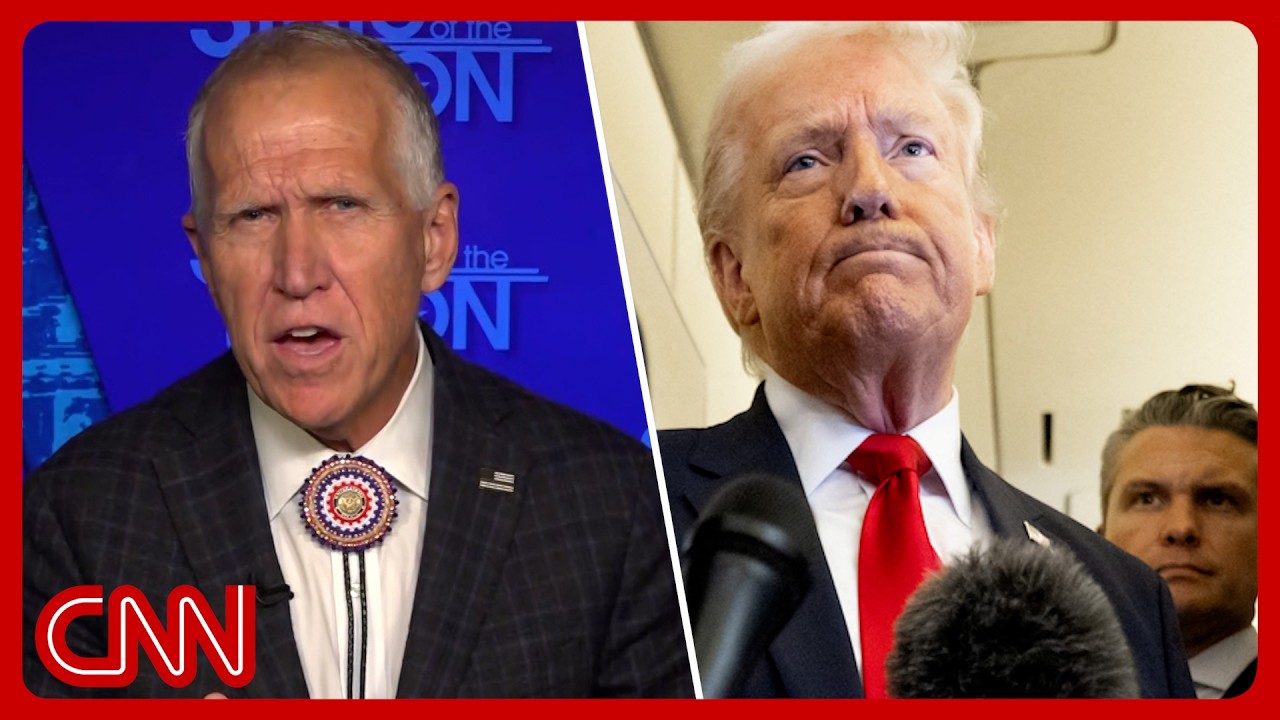
In a recent discussion, North Carolina Republican Senator Thom Tillis shared his insights into critical political issues, with a particular focus on Iran, domestic policy, and evolving party dynamics. His remarks raised important considerations regarding U.S. foreign strategy and the internal conflicts within the Republican Party.
When asked about a potential memorandum of understanding with Iran, Senator Tillis expressed skepticism. He echoed the concerns voiced by Senate Armed Services Committee Chairman Roger Wicker, who cautioned that a rumored 60-day cease-fire would likely backfire if it was premised on the notion that Iran would act in good faith. Tillis asserted that the U.S. had been presented with a flawed situation. "We were told about 11 weeks ago by the Department of Defense that they had obliterated Iran’s defenses," he pointed out, questioning how negotiations could possibly allow Iran to retain any nuclear material.
Tillis’s apprehension was not merely about the terms of the deal but also about the strategic implications. He expressed disbelief that the U.S. might agree to a pause in hostilities without concrete guarantees regarding Iran’s compliance. “It seems questionable to me,” he remarked. He underscored the necessity for any agreement with Iran to be subject to Congressional ratification, cautioning that without a robust framework for accountability, the deal would likely echo the failures of past agreements, notably that of the Obama administration.
As the conversation shifted to domestic matters, Tillis described a tense meeting with Acting Attorney General Todd Blanch. This encounter revolved around the Justice Department’s establishment of an "anti-weaponization" fund, which some members of Congress viewed as politically perilous. Tillis dismissed the initiative, labeling it "stupid on stilts," arguing that it could benefit individuals who participated in the January 6th Capitol riots. He noted that while he supported measures to assist those wrongfully accused, the current fund seemed inappropriate and misguided. “This is just horrible politics and timing,” he added.
Tillis also addressed broader concerns regarding the Republican Party’s image in the wake of the January 6th events. He firmly rejected the characterization of the party as "pro-insurrection." “If the Republican Party stands for standing with insurrectionists who assaulted police officers, then don’t call me that Republican,” he asserted. His comments reflect a growing frustration among some party members regarding the direction in which the party is headed, particularly in light of endorsements that challenge established Republican values.
In the wake of the political turmoil surrounding endorsements and primary challenges, Tillis expressed his support for party stalwarts like Senators Bill Cassidy and John Cornyn. He noted that the distinction between ethically responsible candidates and those lacking integrity was critical for the future of the Republican Party. Describing Ken Paxton, a Trump-endorsed candidate, as “an empty suit,” Tillis voiced concerns about the potential ramifications for the Senate should candidates lacking in ethical adherence gain traction.
As the conversation concluded, the Senator offered reflections on the current climate in Congress, addressing both challenges and imperatives moving forward. He urged his fellow Republicans to focus on meaningful policy solutions rather than distractions that could undermine their electoral prospects.
Ultimately, Tillis’s remarks encapsulate the complexity of navigating both foreign policy and domestic governance in today’s highly partisan environment. His critique of potential agreements with Iran alongside his concerns about the party’s integrity underscores the challenges facing not just the Republican Party, but also the wider political landscape as it approaches critical elections. As internal divisions continue to surface, it remains essential for party leaders to advocate for coherent strategies that resonate with the electorate while maintaining a clear stance on fundamental principles.